Refer a Client and Earn Up to $500 Cash
Emergency Roof Tarping
A fallen tree, severe storm, or sudden roof opening can leave the inside of your property exposed to the next rain. We secure heavy-duty tarps over damaged areas to provide temporary protection while permanent repairs are planned.
Some roof damage cannot be permanently repaired the moment it happens. A storm may tear open a section of roofing, a fallen tree may leave part of the structure exposed, or conditions may make immediate restoration unsafe or impractical. The problem is that the opening does not wait for the permanent repair schedule, and another round of rain can send water directly into decking, insulation, ceilings, walls, and belongings below. Our emergency roof tarping in Harrison, OH, creates a temporary barrier over severely damaged roof areas so the property has protection while the next stage of work is evaluated and planned. Spark Roofing, LLC offers 24-hour service for urgent roofing situations when an exposed structure cannot reasonably wait for normal business hours.
The tarp needs to do more than cover the hole from view because poor placement or weak anchoring can allow wind to lift the material or rainwater to work underneath it. We use heavy-duty, UV-resistant tarps positioned to cover the affected section and help shed water beyond the damaged perimeter. Wooden furring strips provide secure anchoring while our installation approach avoids unnecessary fasteners in intact roofing areas where possible. Once the opening is covered, EagleView and aerial assessments can help provide information for planning the permanent roofing work that may follow. Tarping is not presented as the final repair, but it can give a badly exposed property an important layer of temporary protection while a longer-term solution is determined.
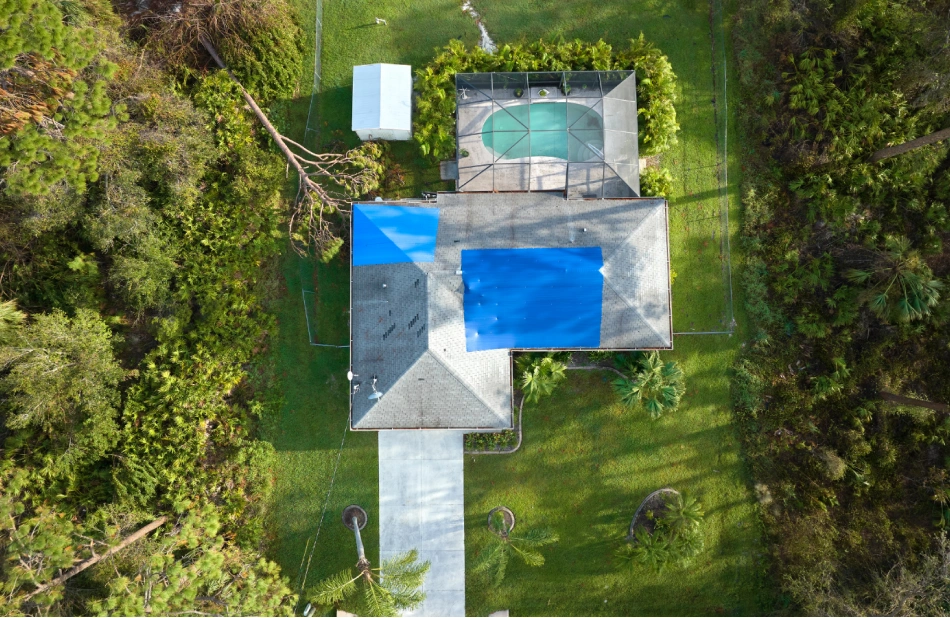
A roof tarping service becomes necessary when the roof has lost enough of its protective surface that waiting uncovered would leave the property vulnerable. That may happen after severe weather tears roofing materials away, a tree or large branch damages the roof, or another sudden event creates an opening that cannot receive permanent work immediately. The first objective is straightforward: separate the exposed area from incoming weather as effectively as conditions allow.
Simply laying a tarp over the opening is not enough. Wind can get beneath loose material, rainfall can travel around poorly positioned edges, and a tarp that does not extend far enough beyond the damaged area may leave part of the roof exposed. A properly positioned temporary roof covering needs enough overlap around the affected section to help water shed away from the breach instead of collecting at its edges.
Anchoring is equally important during roof tarp installation. We use wooden furring strips to help hold the heavy-duty tarp firmly against the roof. The objective is to create secure attachment without placing unnecessary fasteners throughout roofing materials that remain intact. Protecting undamaged portions of the roof matters because temporary containment should not create avoidable repair work later.
The tarp material itself also needs to withstand exterior exposure during the period before permanent work begins. Heavy-duty, UV-resistant tarps provide a temporary weather barrier over the compromised section. They are not a substitute for restored roofing materials, but they can help reduce direct exposure to rain, wind, and debris while the damaged area remains open.
Our emergency tarping process can include:
An emergency roof covering can be especially important when weather conditions or the extent of the damage prevent the roof from moving directly into permanent restoration. Covering the opening buys time for the next decision, but that time should be used to understand what happened and what parts of the roofing system need further work.
That distinction is important with temporary roof protection. A tarp is intended to reduce exposure, not restore the roof to its permanent condition. The damaged decking, roofing materials, flashing, or structural areas beneath and around the opening may still require repair once conditions allow the tarp to be removed and the affected area can be addressed properly.
Emergency roof protection also needs follow-through. Leaving a temporary covering in place without a plan for the underlying damage can turn an emergency measure into a delayed roofing problem. Field management helps coordinate the transition from temporary containment toward assessment and restoration planning so the next stage is based on the actual condition of the roof.
The goal is to create a useful pause in the emergency. Once the roof is covered and direct exposure has been reduced, you have a better opportunity to understand the damage and decide what permanent work should follow.
The most important thing to understand about emergency tarping is that success does not mean the roof has been repaired, even when the tarp stops direct rain from reaching the opening. Spark Roofing, LLC uses tarping to create temporary protection when a damaged roof cannot move directly into permanent work, giving the property a barrier while the affected area is assessed and the next repair is planned. Our 24-hour availability means property owners can contact us when a storm, fallen tree, or sudden structural breach leaves the roof exposed outside normal business hours. Field management keeps attention on coverage, anchoring, water shedding, and the transition toward the work that needs to happen after the immediate emergency is contained. That keeps the tarp in its proper role as a temporary step between sudden damage and a permanent roofing solution.
Once the exposed section has been covered, the condition underneath still needs an answer, and EagleView or aerial assessment information can help us plan around the damaged area while temporary protection remains in place. Emergency roof repair is the next relevant service when the damaged area can be stabilized or repaired, while storm damage roof repair addresses roofing affected by severe weather, hail, wind, or debris. Wind damage roof repair can also address lifted, loosened, or displaced roofing materials when high winds caused the opening. Aaron and Mike bring more than 25 years of remodeling and general contracting experience to evaluating what should happen after the immediate exposure has been controlled, and completed labor is backed by our 5-year workmanship warranty. For emergency roof tarping in Harrison, OH, tell us what damaged the roof and where it is exposed so we can focus on covering the vulnerable area and establishing a practical next step toward permanent repair.
Tarping may be appropriate when a storm, fallen tree, displaced roofing material, or another sudden event leaves part of the roof open to rain and debris but permanent repairs cannot begin immediately. The tarp provides temporary coverage over the compromised section while the damage is evaluated and the appropriate permanent work is planned.
No. A tarp is a temporary protective measure intended to reduce direct weather exposure until permanent roofing work can be completed. The materials beneath the tarp may still require repair or replacement. Once the immediate opening is covered, the damaged area should be evaluated so there is a clear plan for restoring the roof itself.
The tarp needs to be positioned beyond the damaged area and anchored securely rather than simply laid over the opening. We use wooden furring strips to help secure heavy-duty tarp material against the roof. Placement also considers wind exposure and water flow so loose edges are less likely to compromise the temporary covering.
Poorly planned attachment can create unnecessary holes in roofing materials that were not damaged by the original event. Our approach is to secure the temporary covering while avoiding unnecessary fasteners in intact roofing areas where possible. The goal is to protect the exposed section without creating additional repair needs across otherwise unaffected roofing.
The next step is determining what permanent repair the damaged roof requires. EagleView and aerial assessments can help with planning while the temporary covering remains in place. Depending on the damage, the roof may need localized repair, storm restoration, or broader roofing work. We explain the condition and the next step rather than treating the tarp as the finished solution.
A damaged roof should not sit open to the weather. Get 24-hour help securing temporary coverage while the permanent repair is planned.