Refer a Client and Earn Up to $500 Cash
Ice Dam Removal
That ridge of ice at the roof edge can trap melting snow behind it and leave water with nowhere to drain. We carefully clear ice and open drainage paths while looking at the conditions that may be causing the problem.
An ice dam can begin with a temperature difference that is easy to miss from the ground. Heat escaping into the attic can warm higher portions of a snow-covered roof enough to melt snow, while the colder roof overhang remains below freezing and turns that runoff back into ice. As the frozen ridge grows near the eaves and gutters, additional meltwater can collect behind it instead of draining normally from the roof. That backed-up water may work beneath roofing materials and reach insulation, ceilings, interior walls, or structural wood if the condition continues. Our ice dam removal in Harrison, OH, focuses on carefully relieving that buildup while protecting the roof and gutter areas beneath it.
Spark Roofing, LLC approaches the immediate ice problem and the conditions behind it as two separate questions that both deserve attention. The first priority is clearing accumulated ice and creating a path for trapped meltwater without carelessly damaging shingles, eaves, or gutter assemblies. Once the immediate buildup is addressed, thermal infrared scanning can help identify temperature differences that may point to warm air escaping into the attic and contributing to uneven roof temperatures. We can also evaluate visible ventilation and insulation conditions that may be relevant to recurring ice buildup. If ice is collecting along your eaves or water is backing up behind a frozen ridge, getting the drainage path open is the first step toward protecting the areas below.
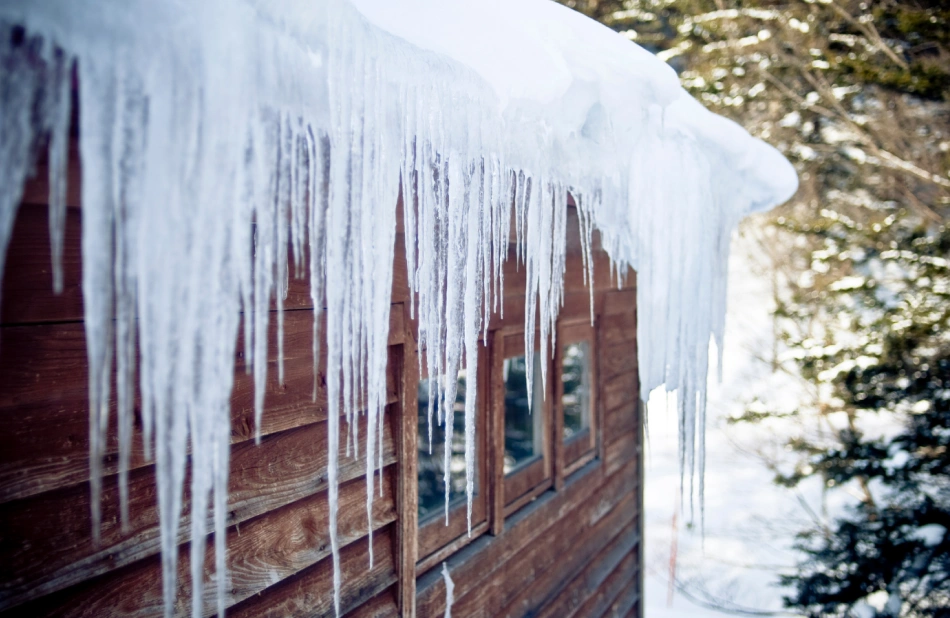
An ice dam is not simply a large icicle or a patch of frozen snow. The more important issue is the cycle happening above it. Snow melts on a warmer portion of the roof, flows downward as water, reaches a colder overhang, and freezes again. Repeated melting and refreezing can gradually create a ridge that blocks additional water from leaving the roof normally.
That is why roof ice dam removal needs to focus on the trapped water as well as the visible ice. Breaking away ice without considering where the meltwater will go can leave the drainage problem unresolved. We work carefully around the eaves and gutter areas to remove accumulated ice and reopen channels that allow water to move away rather than remain backed up against the roof edge.
The roofing materials underneath also matter. Aggressive removal methods can create a second problem if shingles, flashing, or gutters are damaged while the ice is being cleared. Our ice dam removal service is approached with attention to the materials below the frozen buildup so the effort to solve a winter drainage problem does not unnecessarily create a roofing problem.
Once the immediate buildup is under control, the next question is why the same section of roof became cold enough to repeatedly refreeze runoff. Thermal infrared scanning can help us look for temperature differences associated with warm interior air escaping toward the attic and roof. It gives us another way to identify areas that deserve closer attention when uneven roof temperatures may be contributing to the ice formation.
Important parts of addressing an ice dam include:
Ice dam prevention starts with understanding that removing today’s frozen ridge does not automatically change the conditions that helped create it. If warm air continues reaching the underside of the roof while the overhang remains colder, the melt-and-refreeze cycle can happen again during the right winter conditions. That is why looking at ventilation, insulation, and thermal differences can be useful after the immediate problem has been controlled.
In some cases, ice dam repair may also involve addressing damage left behind after the ice and water are gone. Backed-up meltwater can affect roofing materials or enter areas beneath the roof surface, while heavy ice can put stress on gutter components. We can look for signs that the winter event caused another roofing concern rather than assuming removal alone finishes the job.
When water intrusion has already occurred, ice dam damage repair should be based on where the water entered and what it affected. A roof leak associated with an ice dam does not necessarily mean the entire roof needs replacement. We look at the condition, explain what we find, and recommend work around the actual problem instead of using a winter leak as an automatic reason to sell a larger project.
For urgent winter conditions, emergency ice dam removal may become necessary when substantial ice buildup is trapping meltwater at the eaves, and water is beginning to enter the home. Spark Roofing, LLC offers 24-hour service, giving homeowners a way to contact us when a roofing problem cannot reasonably wait for normal business hours.
Seeing a large ridge of ice hanging along the eaves can make removal feel like the entire solution, but the ice is often the final visible result of a temperature and drainage problem that started higher on the roof. Spark Roofing, LLC first focuses on the immediate concern by carefully clearing accumulated ice and helping trapped meltwater regain a path away from the roof edge. After that, infrared thermal scanning can help identify temperature differences that may indicate where interior heat is reaching attic or roof areas and contributing to uneven snowmelt. Aaron and Mike bring more than 25 years of remodeling and general contracting experience to the way we look at these connected conditions, including the relationship between roofing, attic ventilation, insulation, eaves, and gutters. That broader view helps us explain why the ice may have formed instead of sending you into the next freeze with nothing more than a cleared roof edge.
What happens next depends on what the winter conditions have actually affected, because one home may only need the immediate buildup removed while another may have a roofing or gutter issue that deserves additional attention. If backed-up water has exposed a roofing problem, roof repair can address localized damage, while emergency roof repair is available when an active winter leak requires more urgent roofing attention. Ice buildup inside gutters can also reveal drainage concerns that may need to be considered once freezing conditions pass, and seamless gutter installation is available when an existing gutter system no longer manages runoff effectively. Completed labor is backed by our 5-year workmanship warranty, giving customers defined coverage behind the work we perform. For ice dam removal in Harrison, OH, tell us where the ice is building and whether you have noticed water inside so we can address the immediate blockage and help you understand what may be contributing to it.
Ice dams can form when snow melts on a warmer part of the roof, and the resulting water flows toward a colder overhang, where it freezes again. Repeated cycles can build a ridge of ice along the eaves. Additional meltwater may then collect behind that ridge instead of draining normally from the roof.
Yes. When an ice ridge blocks normal drainage, meltwater can collect behind it and may work beneath roofing materials. That water can potentially reach insulation, ceilings, walls, or structural wood. A leak associated with an ice dam should be evaluated to determine where the water entered and whether roofing materials were affected.
The roofing and gutter materials beneath the ice can be damaged if removal is too aggressive or performed without considering what lies underneath the frozen buildup. The objective is not simply to break the ice apart. It is to relieve the blockage and restore a drainage path while avoiding unnecessary damage to the surrounding roof edge.
Infrared thermal scanning can identify temperature differences that may point toward areas where warm interior air is affecting attic or roof temperatures. It does not replace a physical evaluation, but it can help direct attention toward conditions that may be contributing to uneven snowmelt and repeated freezing near the colder roof overhang.
Removal addresses the existing ice and trapped water, but recurring buildup may require attention to the conditions contributing to uneven roof temperatures. Attic ventilation, insulation, and heat movement can all be relevant. We can evaluate those conditions and explain what we find so you understand possible next steps after the immediate ice is cleared.
Ice building along the eaves can trap water against your roof. Get 24-hour help to address the buildup and understand what may be causing it.